Sea fishing · Trips and regulations
Fishing in Martinique: sea trips and rules to check
Between an introductory trip, offshore sport fishing and fishing from shore, the right choice depends as much on current regulations and sea conditions as the target species. Always verify the rules and itinerary from current sources.
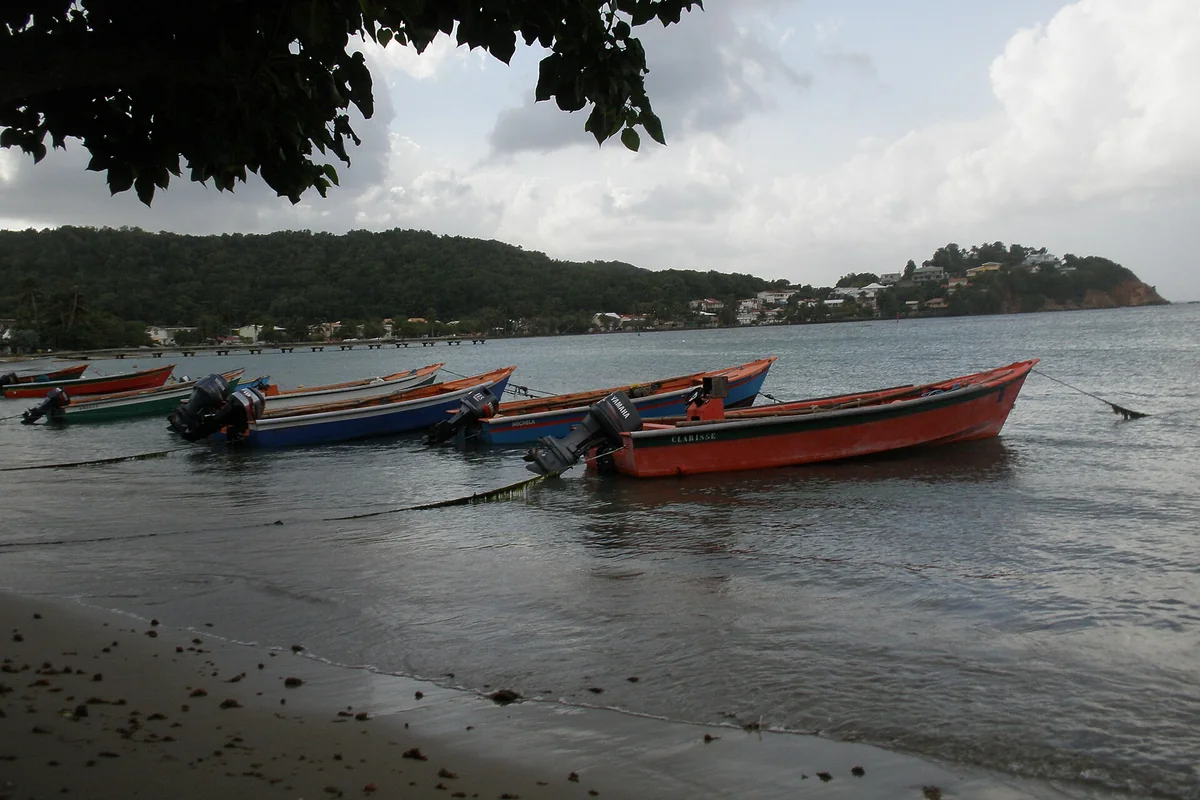
Choose the experience before a promised species
A fishing outing in Martinique might mean a coastal introduction, a sporting day offshore, a family trip with equipment, or independent shore fishing. The boat, travel time, physical effort and applicable rules differ substantially. No responsible professional can guarantee a catch: sea conditions, season and fish behaviour do not follow a visitor timetable.
The Martinique Tourism sea-excursion directory helps identify possible offers and includes a fishing filter. A directory entry is a way to find a contact, not a substitute for checking the vessel, supervision, insurance, conservation rules and cancellation terms.
Which format should you investigate?
| What you want | Format to search for | The question that changes the day |
|---|---|---|
| First experience at sea | guided half-day with equipment | how much navigation comes before any fishing? |
| Family outing | sheltered vessel and beginner-friendly plan | accepted age, child lifejackets, toilet, shade and early-return option |
| Sport fishing | targeted trip with clearly explained technique | effort, offshore distance, equipment and release policy |
| Shore fishing | legal, accessible location and simple tackle | permitted zone, swell, rocks and the rules applying to catches |
| Maritime culture | organised harbour visit and conversation | is this a visit, transport service or an actual fishing trip? |
Ask whether the stated duration begins at check-in or when the boat leaves. A half-day may include a briefing, loading and navigation, leaving less time with lines in the water. For a mixed group, establish whether someone can remain a non-fishing passenger without interfering with operations.
Check the rules on the day
Regulations may address zones, species, minimum sizes, seasons, quotas, permitted gear and catch marking. The Martinique maritime authority brings together fishing information, maps and contacts, including a section for recreational fishing. These services can occasionally be under maintenance. If a document does not open, do not substitute an old screenshot. Request the current rule from the authority or operator and retain the official link.
France’s national recreational sea-fishing portal reminds fishers to check permitted zones, sizes, gear and periods, as well as marking requirements for relevant catches. Do not memorise a list from an old blog. National rules can be supplemented by stricter local measures.
Restrictions connected with chlordecone require particular care. The prefecture maintains a page on aquatic organisms and chlordecone with the related zone documents. Check the current map instead of assuming that an accessible place may be fished or that every catch is suitable to eat.
This guide covers the sea. It grants no permission for rivers or other inland waters, which are governed separately.
Questions for the operator
Ask for the vessel name, capacity, maximum customer count and role of each crew member. Confirm professional status, insurance, safety equipment, correctly sized lifejackets for every child and the briefing language. The meeting point should be a precise quay or pin, not merely “Le Marin” or “Tartane”.
For the fishing itself, ask:
- which techniques will be used and whether they suit beginners;
- who handles hooks, bait, heavy lines and fish;
- whether rods, lures, bait and protective equipment are included;
- how the crew applies current size, quota, marking and zone rules;
- which catches are released and under what handling procedure;
- what happens to a catch that may legally be retained;
- whether drinking water, another drink or food is genuinely supplied;
- which weather conditions trigger a postponement, shorter trip or cancellation.
Never assume fish will be cleaned, cooked or given to clients. Clarify the arrangement before booking. A recreational catch should not turn into an informal sale.
Read the marine forecast, not just the sunshine icon
Consult the Météo-France Martinique coastal forecast and warning level. Wind, swell, squalls and visibility matter more than a simple rain percentage. Bright conditions in harbour do not describe the sea offshore.
Ask when the operator makes the decision and how you will be contacted. Changing the fishing area or technique can be reasonable; promising to leave “whatever happens” is not. Keep the day flexible in your activity plan.
If you are susceptible to motion sickness, discuss it in advance and obtain advice from a health professional or pharmacist early enough. Some products cause drowsiness and may be incompatible with driving. Eat lightly according to the advice you receive, stay hydrated and remain where the crew asks you to sit or stand.
Safety afloat and from shore
On a boat, listen to the briefing before touching a rod. Wear a lifejacket when instructed, keep feet clear of lines and never move behind someone casting. Hooks, lures and spiny fish should be handled by the designated person. Put phones and cameras away when a manoeuvre starts.
Covering sun protection, secured glasses, non-slip footwear and water are more dependable than applying a little sunscreen once. Ask whether the vessel has shade. A child’s lifejacket should fit that child rather than simply being “the smallest one aboard”.
From shore, watch the swell for several minutes before settling in. Avoid wet rocks and retain a clear retreat. Do not fish alone at an isolated place without sharing your location and expected return. The national portal gives 196 or 112 for an emergency at sea; save the numbers, but prioritise prevention.
Respect the resource and other water users
Take away line, hooks, packaging and bait waste. Discarded line continues to endanger wildlife and swimmers. Respect protected areas, stated distances, other vessels and bathing zones. Do not share the position of a sensitive species or area where local rules prohibit it.
When release is planned, ask the guide to demonstrate suitable handling and minimise time out of the water. Do not turn a catch into a long photo session. If a catch can legally be retained, the crew should explain storage and the cold chain; never leave fish in direct sun.
Prepare for departure
Save the quay and contact offline, check parking and leave with time to spare. Grand’Rivière, Tartane and Le Marin have very different maritime settings; a harbour or boats on a beach do not mean a visitor departure is available without a booking.
- Choose the format around the group and navigation time.
- Check current regulations, zones and chlordecone documents.
- Confirm the vessel, capacity, safety equipment, lifejackets and supervision.
- Read the marine forecast and cancellation policy.
- Clarify tackle, catches, release procedures and food.
- Prepare for sun and motion sickness, protect the phone and keep a fallback activity.
For a very early start, choose where to stay in Martinique after confirming the departure port and quay, not from a general advert.
Useful points on the ground
Addresses and maps
Grand’Rivière harbour
Grand’RivièreFranceA traditional northern harbour worth seeing; confirm any fishing departure separately, because boats in port do not indicate an available excursion.
Tartane beach and village
La TrinitéFranceThe location of the photographed boats; use official contacts rather than approaching a private boat on the beach.
Le Marin marina
Le MarinFranceA major southern boating hub; ask your operator for the exact quay, parking arrangements and check-in time.